Sapa Vietnam is a destination that leaves a lasting impression on every traveler who sets foot in this enchanting mountain town. Nestled in the heart of Vietnam’s Northwest region, Sapa is often described as a hidden gem thanks to its cool climate, dramatic mountain scenery, terraced rice fields, and rich ethnic culture.
With breathtaking natural landscapes and unique cultural experiences, Sapa Vietnam consistently ranks among the top must-visit destinations for both domestic and international travelers exploring Vietnam.
Overview of Sapa Vietnam
Located at an altitude of approximately 1,500 meters above sea level in Lao Cai Province, Sapa Vietnam has long been a dream destination for nature lovers and adventure seekers. The town enjoys a mild climate year-round, with average temperatures ranging from 15–18°C, making it an ideal escape from the heat of lowland cities.
What makes Sapa Vietnam truly special is not only its majestic scenery but also its cultural diversity. The area is home to many ethnic minority groups such as the H’Mong, Dao, Tay, and Giay. Covering an area of about 677 km², Sapa has a population of roughly 66,000 people, more than 80% of whom belong to ethnic minorities, contributing to its vibrant cultural identity.
How to Get to Sapa Vietnam
From Hanoi
There are several convenient ways to travel from Hanoi to Sapa Vietnam:
- Train: Take an overnight train from Hanoi Railway Station to Lao Cai (8–9 hours), then continue by bus or taxi to Sapa (about 1 hour).
- Bus: Many sleeper buses operate daily between Hanoi and Sapa, with a travel time of around 5–6 hours.
- Private car or rental: The distance is about 320 km, and the journey takes approximately 5–6 hours via expressway.
From Other Provinces
Travelers from other regions can fly or take a bus to Hanoi, then continue their journey to Sapa Vietnam using one of the options above.
Getting Around in Sapa
- Walking: Ideal for exploring Sapa town center and nearby villages like Cat Cat.
- Motorbike rental: A popular choice for visiting farther attractions such as Silver Waterfall or Heaven’s Gate.
- Bicycle: Suitable for travelers who want a slower pace and fresh mountain air.
- Taxi or motorbike taxi: Convenient for short distances or bad weather.
- Guided tours: Available for visiting major Sapa attractions by minivan or bus.
- Cable car: The modern cable car system takes visitors to the summit of Fansipan Mountain.
With diverse transportation options, travelers can easily explore the stunning landscapes of Sapa Vietnam based on their preferences and schedule.
Top Scenic Attractions in Sapa Vietnam You Shouldn’t Miss
1. Fansipan Mountain – The Roof of Indochina
No list of Sapa Vietnam attractions would be complete without Fansipan Mountain. Standing at 3,143 meters above sea level, Fansipan is the highest peak in Vietnam and is famously known as the “Roof of Indochina.”
Since the launch of the modern cable car system in 2016, reaching the summit has become much easier, allowing visitors to admire the breathtaking Sapa scenery from above the clouds. From the peak, you can enjoy panoramic views of Muong Hoa Valley and the Hoang Lien Son mountain range. The landscape changes dramatically throughout the day, from misty mornings to glowing sunsets.
2. Muong Hoa Valley – A Masterpiece of Terraced Rice Fields
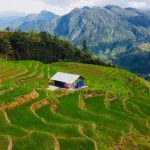
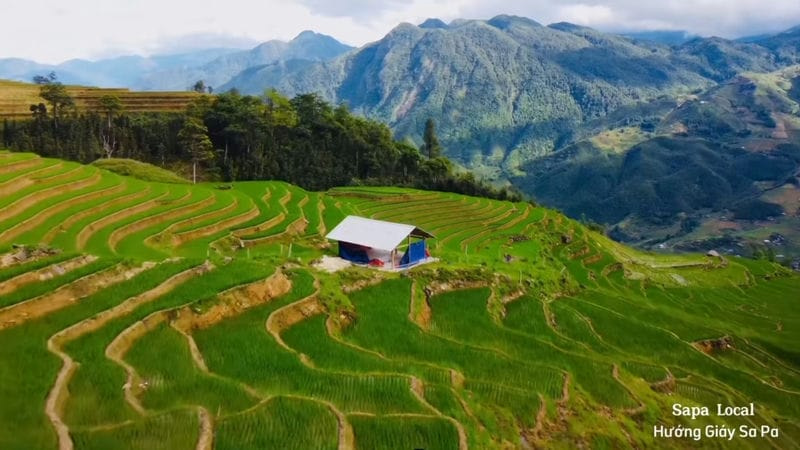
Muong Hoa Valley is one of the most iconic places to visit in Sapa Vietnam. Famous for its stunning terraced rice fields cascading along the mountainsides, the valley looks like a living painting that changes with the seasons.
- Spring brings fresh green rice shoots
- Summer showcases lush green fields
- Autumn turns the valley golden with ripe rice
- Winter reflects shimmering water across the terraces
Muong Hoa is also home to several ethnic villages, offering visitors the chance to trek through local communities and experience traditional life in Sapa Vietnam.
3. Cat Cat Village – Cultural Beauty in Sapa Vietnam
Located just 2 km from Sapa town center, Cat Cat Village is a perfect destination for combining sightseeing and cultural exploration. This traditional village is home to the Black H’Mong people and is well known for its handicrafts, especially brocade weaving.
Visitors can admire wooden houses nestled among mountains, scenic rice terraces, waterfalls, and ancient water wheels. Cat Cat Village beautifully reflects the harmony between culture and nature that defines Sapa Vietnam tourism.
4. Silver Waterfall & Heaven’s Gate – Majestic Sapa Landscapes
About 12 km from Sapa town, Silver Waterfall is one of the most impressive natural landmarks in Sapa Vietnam. The waterfall drops nearly 200 meters from the mountains above, creating a powerful and refreshing atmosphere.
Nearby is Heaven’s Gate (Tram Ton Pass), one of the highest mountain passes in Vietnam. From here, travelers can enjoy sweeping views of the Hoang Lien Son range and Muong Hoa Valley. On clear days, clouds drift through the mountains, creating a magical, otherworldly scene.
5. Sapa Lake – A Peaceful Gem in the Town Center
Located in the heart of Sapa town, Sapa Lake adds a romantic touch to the overall Sapa Vietnam landscape. The calm water reflects surrounding mountains and buildings, especially beautiful in the early morning mist.
Visitors can enjoy leisurely walks, pedal boat rides, or local cuisine at nearby restaurants. In the evening, the area becomes lively with the Sapa night market, offering street food and souvenirs.
6. Sapa Stone Church – A Historic Landmark
The Sapa Stone Church is one of the most recognizable architectural symbols of Sapa Vietnam. Built during the French colonial era, the church features Gothic-style stone walls and a tall bell tower that stands out in the misty town.
Surrounded by flower gardens and open squares, the church is especially photogenic in the early morning fog, making it a favorite spot for photographers and travelers alike.
7. Flower Seasons in Sapa Vietnam
The beauty of Sapa Vietnam is further enhanced by its vibrant flower seasons. In early spring, peach blossoms bloom across villages and hillsides, followed by pure white plum blossoms.
In October and November, buckwheat flowers (tam giác mạch) blanket the valleys in soft pink hues, creating one of the most romantic Sapa attractions, especially in areas like Lao Chai, Ta Van, and Muong Hoa.
8. O Quy Ho Pass – One of Vietnam’s Four Great Passes
O Quy Ho Pass, also known as Hoang Lien Pass, is one of the “Four Great Mountain Passes” of Vietnam. Sitting at an altitude of around 2,000 meters, it offers dramatic views of the Hoang Lien Son range and Muong Hoa Valley.
With winding roads, sharp curves, and breathtaking vistas, O Quy Ho Pass is a must-visit destination for adventure lovers exploring Sapa Vietnam.
9. Love Waterfall – A Romantic Natural Wonder in Sapa Vietnam
Located about 15 km from the center of Sapa Vietnam, Love Waterfall (Thác Tình Yêu) is one of the most pristine and poetic natural attractions in the area. The waterfall is approximately 100 meters high, cascading powerfully from the Hoang Lien Son mountain range into a crystal-clear stream surrounded by dense forest.
The trekking route to Love Waterfall is slightly challenging, passing through bamboo forests and stone paths, but the breathtaking scenery and fresh mountain air make the journey extremely rewarding. This destination is perfect for nature lovers, photographers, and couples seeking romantic places to visit in Sapa Vietnam.
10. Ta Phin Village – Cultural Beauty of Sapa Vietnam
Ta Phin Village, located about 12 km from Sapa town, is home to the Red Dao and H’Mong ethnic groups. It is one of the best places to experience the cultural side of Sapa Vietnam while enjoying peaceful rural landscapes.
Visitors can explore traditional wooden houses, learn about brocade weaving, and experience the famous Red Dao herbal bath — a unique wellness activity in Sapa Vietnam. The surrounding rice terraces, limestone mountains, and quiet atmosphere make Ta Phin an ideal stop for travelers seeking authentic Sapa attractions.
11. Muong Hum Rice Fields – A Hidden Gem Near Sapa Vietnam
Muong Hum is a highland commune in Bat Xat District, about 60 km from Sapa Vietnam. This area is famous for its spectacular terraced rice fields, often compared to a watercolor painting among the Northwest mountains.
The best time to visit Muong Hum is during the golden rice season from September to October, when the landscape becomes one of the most impressive natural sights near Sapa Vietnam. In addition, the local ethnic markets and untouched rural life offer a deeper travel experience beyond typical Sapa tourism.
12. Tien Cave – A Mysterious Attraction in Sapa Vietnam
Tien Cave is a natural cave located along the Sapa – Lai Chau route. Stretching nearly 3 km in length, the cave features fascinating stalactites and stalagmites formed over thousands of years.
Exploring Tien Cave is a great activity for adventure seekers visiting Sapa Vietnam. From the cave entrance, travelers can enjoy panoramic views of surrounding valleys and mountains, making it a unique combination of exploration and sightseeing in the Sapa travel guide.
13. Ham Rong Mountain – Best Viewpoint in Sapa Vietnam
Situated right in the heart of Sapa town, Ham Rong Mountain is one of the most convenient places to visit in Sapa Vietnam for panoramic views. From the top, visitors can admire the entire town, Muong Hoa Valley, and the Hoang Lien Son mountain range.
Ham Rong Mountain is also known for its orchid garden, peach garden, and the famous “Heaven Gate,” where sunrise and sunset views are absolutely stunning. This attraction is ideal for travelers who want to enjoy Sapa Vietnam’s beauty without long-distance travel.
14. Phin Ho Waterfall – Untouched Nature in Sapa Vietnam
Located in Seo My Ty village, Phin Ho Waterfall remains one of the lesser-known yet most beautiful waterfalls in Sapa Vietnam. The waterfall drops about 50 meters into a turquoise natural pool, surrounded by dense forests and rocky cliffs.
Although the route is relatively difficult, the untouched scenery and peaceful atmosphere make Phin Ho Waterfall a perfect destination for eco-tourism and adventure travel in Sapa Vietnam.
15. Giang Ta Chai Village – Peaceful Rural Life in Sapa Vietnam
Giang Ta Chai Village, about 10 km from Sapa town, is inhabited mainly by the Giay ethnic group. The village is famous for its expansive terraced rice fields, gentle streams, and traditional rural lifestyle.
Visitors to Giang Ta Chai can participate in daily farming activities, learn traditional weaving techniques, and enjoy authentic local cuisine. This village is an excellent stop for travelers interested in community-based tourism and cultural exploration in Sapa Vietnam.
Conclusion: Why Sapa Vietnam Is a Must-Visit Destination
From the misty peak of Fansipan to golden rice terraces, from ancient ethnic villages to majestic waterfalls, Sapa Vietnam offers a perfect blend of breathtaking nature and rich cultural heritage. Each destination in Sapa has its own charm, creating unforgettable memories for travelers.
Whether you are seeking adventure, relaxation, photography, or cultural experiences, Sapa Vietnam always has something new to discover. This mountain town remains one of the most beautiful and inspiring destinations in Vietnam, attracting visitors from all over the world year after year.