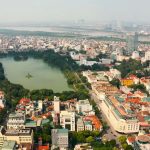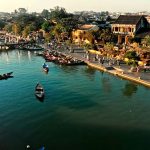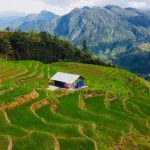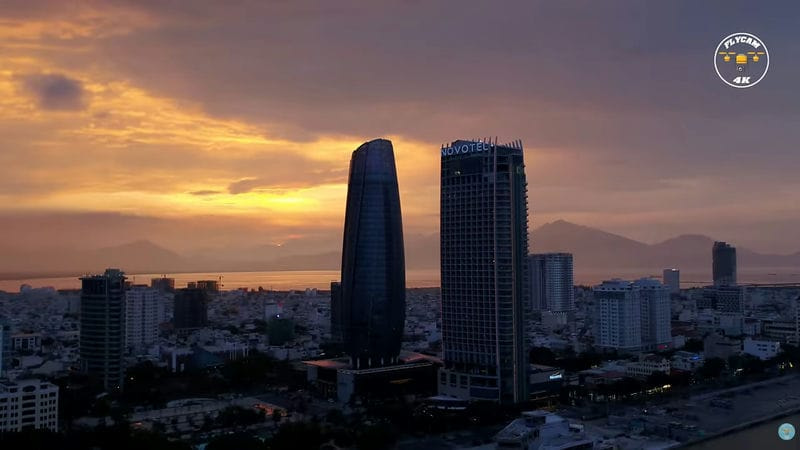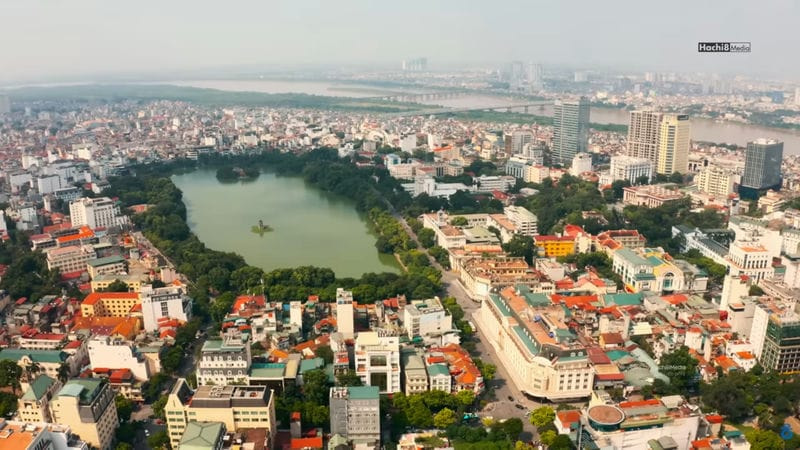
Vietnam is a country that stays with you long after you leave. The lingering aroma of star anise and cinnamon, the unforgettable taste of steaming pho, and the contrast between emerald rice terraces, bustling city streets, and tranquil coastal landscapes all blend into a journey unlike anywhere else in Southeast Asia.
Stretching over 1,600 kilometers from north to south, Vietnam is a remarkably slender country—only about 50 kilometers wide at its narrowest point. This unique geography creates dramatic variations in climate, landscape, and travel conditions across regions. As a result, choosing the best time to visit Vietnam depends largely on where you want to go and what kind of experience you are seeking.
According to travel experts, Vietnam is a year-round destination—but knowing when to visit Vietnam can help you avoid crowds, enjoy ideal weather, and even save money.
Understanding Vietnam’s Travel Seasons by Region
Why Timing Matters When Visiting Vietnam
Vietnam’s climate varies significantly between the north, central coast, and south. While one region may be enjoying sunshine and cool breezes, another could be experiencing heavy rain or tropical heat.
Melissa Matthews, Regional Director for Southeast Asia and North America at luxury travel company Red Savannah, explains:
“Because climate patterns differ so much from north to south, there is always somewhere in Vietnam worth visiting, no matter the time of year.”
This diversity is what makes Vietnam special—but it also means travelers need to plan carefully to determine the best time to visit Vietnam based on their itinerary.
Vietnam Travel Seasons at a Glance
Understanding Vietnam travel seasons is essential when planning a trip, as climate conditions, tourist density, and travel costs vary significantly by region. Due to the country’s long north–south stretch, Vietnam does not have a single nationwide “best season.” Instead, each region experiences peak, shoulder, and low seasons at different times of the year.
Below is a clear breakdown to help travelers decide the best time to visit Vietnam based on weather, crowds, and budget.
Peak Travel Season in Vietnam
The peak travel season in Vietnam is defined by the most favorable weather conditions in each region. During this time, rainfall is low, temperatures are comfortable, and outdoor activities such as sightseeing, beach trips, and trekking are at their best.
Peak Season by Region
- Northern Vietnam: September to November; March to April
- Central Vietnam: April to August
- Southern Vietnam: October to April
In northern Vietnam, autumn (September–November) brings cool air, clear skies, and stunning scenery, making it the ideal period to visit Hanoi, Sapa, and Ha Long Bay. Spring (March–April) is also popular thanks to mild temperatures and blooming landscapes.
Central Vietnam enjoys its best weather from April to August, when coastal destinations like Da Nang, Hoi An, and Nha Trang experience long sunny days and calm seas—perfect for beach tourism.
Southern Vietnam, including Ho Chi Minh City, the Mekong Delta, and Phu Quoc Island, is most pleasant from October to April, during the dry season, with low humidity and minimal rainfall.
Things to Consider During Peak Season
While peak season offers the best weather to visit Vietnam, it also comes with:
- Higher flight and hotel prices
- Increased crowds at major attractions
- Fully booked tours and resorts during holidays
Travelers planning to visit Vietnam during peak season are advised to book accommodations and transportation well in advance.
Shoulder Season in Vietnam
The shoulder season in Vietnam is often regarded by experienced travelers as the best time to travel Vietnam overall. This period offers a balance between reasonably good weather and fewer tourists, along with more flexible pricing.
Shoulder Season by Region
- Northern Vietnam: December to February; April to August
- Central Vietnam: September to March
- Southern Vietnam: September to December
In northern Vietnam, winter months (December–February) are cooler and sometimes misty, particularly in mountainous areas like Sapa. Although temperatures can drop, the atmosphere is quieter and ideal for cultural exploration in Hanoi. From April to August, occasional rain appears, but travel remains enjoyable.
Central Vietnam’s shoulder season spans from September to March. While rainfall increases slightly toward the end of the year, historical sites such as Hue and Hoi An remain attractive with fewer crowds and a more relaxed pace.
In southern Vietnam, September to December marks the transition out of the rainy season. Short tropical showers are common, but sunshine still dominates most days, making this a smart choice for travelers seeking value and comfort.
Why Choose the Shoulder Season?
Traveling during the shoulder season allows visitors to:
- Enjoy lower accommodation and tour prices
- Avoid peak-season congestion
- Experience destinations more authentically
For many, this period represents the best time to visit Vietnam when considering both cost and experience.
Low Season in Vietnam
The low season in Vietnam generally coincides with the monsoon or rainy season. While this period is less popular, it can still be a rewarding time to travel for those who prioritize budget and flexibility.
Low Season by Region
- Northern Vietnam: May to October
- Central Vietnam: September to May
- Southern Vietnam: May to September
During these months, rainfall is more frequent, especially in the afternoons. However, rain rarely lasts all day and is often followed by clear skies.
Advantages of Traveling in the Low Season
Despite the weather challenges, the low season offers several benefits:
- Significantly reduced travel costs
- Fewer tourists at major landmarks
- Lush, green landscapes, especially in rural areas
This period is ideal for budget travelers, long-stay visitors, and photographers who appreciate dramatic skies and vibrant natural scenery.
Potential Drawbacks
Travelers should be aware that:
- Trekking in mountainous areas may be difficult
- Sea conditions can affect island travel and cruises
- Flooding may occur in certain regions
For this reason, flexibility is essential when visiting Vietnam during the low season.
Summary: Choosing the Right Vietnam Travel Season
There is no single “wrong” time to visit Vietnam—only different experiences depending on the season. Whether you prefer ideal weather, fewer crowds, or lower costs, understanding Vietnam travel seasons will help you choose the best time to visit Vietnam based on your personal travel goals.
Best Time to Visit Vietnam to Avoid Crowds
Traveling Vietnam During the Rainy Season
If you are wondering when is the best time to visit Vietnam to avoid crowds, the rainy season is your answer.
- Northern Vietnam: May to October
- Central Vietnam: September to May
- Southern Vietnam: May to September
During these months, tourist numbers drop significantly. Hotels offer lower rates, popular restaurants are easier to book, and attractions feel more authentic and relaxed.
Traveling during the low season allows you to:
- Enjoy quieter cities and beaches
- Experience local culture more deeply
- Save on accommodation and transportation
However, sudden rain showers and overcast skies may affect outdoor activities such as trekking in Sapa or cruising in Ha Long Bay.
Hidden Gems Away from the Crowds
Benjamin Kreuz, General Manager of Six Senses Ninh Van Bay, notes that many natural wonders in northern and central Vietnam remain peaceful even during peak travel months.
Destinations such as:
- Ban Gioc Waterfall
- Phong Nha–Ke Bang cave system
- Remote beaches in central Vietnam
remain relatively untouched, making them excellent alternatives for travelers seeking solitude.
Best Time to Visit Vietnam for Ideal Weather
Vietnam is a long, S-shaped country stretching over 1,600 kilometers from north to south, which means weather conditions can vary significantly depending on the region and time of year. Understanding Vietnam’s climate is key to planning a smooth and enjoyable trip, especially if you intend to visit multiple destinations in one journey.
Vietnam’s Tropical Climate Explained
Vietnam features a tropical monsoon climate, characterized by warm temperatures throughout the year and distinct wet and dry seasons. Unlike countries with four clear seasons, Vietnam generally experiences two main seasons: the dry season and the rainy season, although their timing differs between regions.
Thanks to this regional diversity, travelers can usually find a destination with pleasant weather at almost any time of the year. While the south may enjoy sunshine, the north could be cooler and drier, and central Vietnam may be transitioning between seasons.
However, for travelers planning an extended trip or a multi-region itinerary, timing becomes more important. Weather consistency plays a major role in transportation, sightseeing, outdoor activities, and overall comfort.
Most travel experts agree that the dry season is the best time to visit Vietnam, especially for first-time visitors or those traveling from north to south. During this period, rainfall is limited, humidity is lower, and travel disruptions due to weather are minimal.
Best Months for a North-to-South Vietnam Journey
For travelers hoping to experience Vietnam from Hanoi in the north to Ho Chi Minh City in the south, choosing the right months can make a significant difference.
Why February and March Are Highly Recommended
Travel expert Melissa Matthews highlights February and March as the ideal months for a north-to-south Vietnam journey. During this time, Vietnam enjoys one of its most balanced climate windows of the year.
Key advantages of traveling in February and March include:
- Low rainfall across most regions, reducing the risk of canceled tours or transportation delays
- Mild and comfortable temperatures, particularly in northern and central Vietnam
- Stable weather conditions, ideal for sightseeing, cruising, beach activities, and long-distance travel
In the north, cities like Hanoi and Sapa experience cool, dry weather without the harsh cold of winter. Central Vietnam destinations such as Da Nang, Hoi An, and Hue enjoy pleasant sunshine without extreme heat. Meanwhile, southern Vietnam remains warm and dry, perfect for exploring Ho Chi Minh City or relaxing in the Mekong Delta.
Important Travel Note: Tet Holiday
One important factor travelers should consider during this period is Tet, the Vietnamese Lunar New Year. Tet usually falls in late January or February and is the most significant holiday in Vietnam.
During Tet:
- Domestic travel demand increases sharply
- Flights, trains, and hotels may sell out early
- Some businesses, restaurants, and attractions may close temporarily
While Tet offers a unique cultural experience, travelers seeking convenience and flexibility should plan carefully or avoid peak holiday days.
Traveling Vietnam During Tet Holiday
Tet usually occurs in late January or early February and can last up to 10 days. During this time:
- Many shops and attractions close
- Transportation prices increase
- Cities become quieter as locals return to their hometowns
Experts recommend:
- Visiting beach destinations during Tet
- Exploring major cities before or after the holiday
Best Time to Visit Northern Vietnam
Ideal Season for Hanoi and Sapa
The best time to visit northern Vietnam is:
- September to November
- March to April
These months offer:
- Cool, dry weather
- Clear skies
- Ideal conditions for trekking and sightseeing
Best Time to Trek in Sapa
Sapa is famous for its terraced rice fields and ethnic minority villages. The best time to visit Vietnam for trekking in Sapa is:
- September to November
- March to April
Late August to September is harvest season, when rice terraces turn golden—a truly unforgettable sight.
Winter (December to February) can be cold, with temperatures dropping significantly, making trekking less comfortable.
Best Time to Visit Central Vietnam
Beach Season in Hoi An and Nha Trang
For sun-seekers, the best time to visit central Vietnam is from April to August. During this period:
- Rainfall is minimal
- Sea conditions are ideal
- Beaches are vibrant and lively
Destinations like Hoi An, Da Nang, and Nha Trang shine during these months.
Best Time to Visit Ha Long Bay
Ha Long Bay, a UNESCO World Heritage Site, is one of Vietnam’s most iconic destinations.
Best Months for Cruising Ha Long Bay
The best time to visit Ha Long Bay is:
- March and April
- October and November
These months offer:
- Mild temperatures
- Clear skies
- Calm waters
To avoid crowds, consider:
- Overnight cruises
- Exploring Lan Ha Bay instead of central Ha Long Bay
Best Time to Visit Southern Vietnam
Ideal Season for Ho Chi Minh City and Phu Quoc
Southern Vietnam is warm year-round, but the best time to visit southern Vietnam is from October to April.
During this period:
- Rainfall is minimal
- Humidity is lower
- Beach conditions are excellent
This makes it the perfect time to explore Ho Chi Minh City, the Mekong Delta, and Phu Quoc Island.
Best Time to Visit Vietnam on a Budget
Cheapest Months to Travel Vietnam
Vietnam is affordable year-round, but the best time to visit Vietnam for budget travelers is during:
- April
- May
- October
- November
These months offer:
- Discounted flights
- Lower hotel rates
- Fewer tourists
Weather remains warm and pleasant, making them ideal for value-focused travelers.
Least Ideal Time to Visit Vietnam
When to Avoid Traveling to Vietnam
Although Vietnam can be visited year-round, experts advise caution during:
- Peak monsoon season
- Typhoon-prone months in central Vietnam
Heavy rainfall can:
- Disrupt trekking routes
- Cancel Ha Long Bay cruises
- Affect domestic flights
If traveling during this period, flexibility is key.
Travel Tips for the Rainy Season
- Avoid mountain trekking
- Skip overnight cruises during storms
- Focus on city-based activities such as museums and cafes
Keeping an open itinerary can help you take advantage of last-minute discounts and unexpected opportunities.
Final Thoughts: Choosing the Best Time to Visit Vietnam
There is no single answer to the question “When is the best time to visit Vietnam?” The ideal timing depends on:
- Your travel route
- Preferred activities
- Budget and crowd tolerance
With its diverse climate and landscapes, Vietnam offers rewarding experiences throughout the year. By understanding Vietnam’s travel seasons and regional weather patterns, you can plan the perfect trip tailored to your personal travel style.