Introduction to Da Nang Vietnam – FantastiCity
Da Nang Vietnam is the fourth-largest city in Vietnam, after Ho Chi Minh City, Hanoi, and Hai Phong, in terms of urban development and economic potential. Officially classified as a Grade I urban area, Da Nang City is also one of the five centrally governed cities of Vietnam, holding a particularly important role in the country’s national development strategy.
In the eyes of Vietnamese people, Da Nang Vietnam is widely known as a clean, green, modern coastal city and is consistently ranked among the most livable cities in Vietnam. With its long sandy beaches, modern infrastructure, friendly locals, and high-quality public services, Da Nang City has become a dream destination for both domestic residents and international visitors.
Internationally, Da Nang Vietnam, along with Hanoi and Ho Chi Minh City, has been recognized among the Top 10 Best Cities in Southeast Asia by Travel + Leisure Asia’s Best Awards. The city has also represented Vietnam in global rankings such as Top Best Places to Live Abroad, highlighting its growing appeal to expats, investors, and digital nomads.
General Overview of Da Nang City, Vietnam
Introduction to Da Nang Vietnam
Da Nang Vietnam is one of the most dynamic and fast-developing coastal cities in Central Vietnam. Strategically positioned between Hanoi and Ho Chi Minh City, Da Nang City plays a vital role as an economic, tourism, and logistics hub of the central region. Over the past two decades, Da Nang Vietnam has undergone remarkable urban transformation, evolving from a quiet port city into a modern metropolis with international-standard infrastructure and a high quality of life.
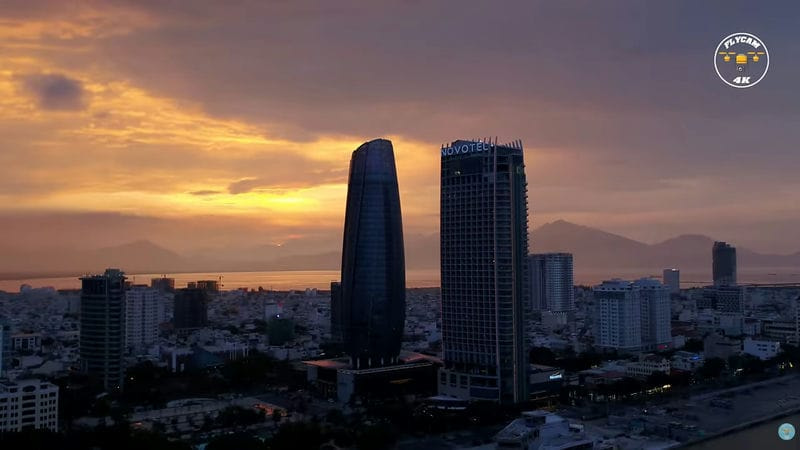
What sets Da Nang Vietnam apart is its harmonious blend of natural landscapes, cultural heritage, and modern urban planning. The city is famous for its long coastline, clean beaches, scenic mountains, and well-designed urban spaces. At the same time, Da Nang City has consistently ranked among the most livable cities in Vietnam thanks to effective governance, transparent administration, and strong investment in public services.
Tourism development is a key pillar of Da Nang’s growth strategy. The local government has continuously invested in transportation systems, smart city initiatives, public amenities, and hospitality infrastructure. As a result, Da Nang Vietnam has become a preferred destination not only for short-term travelers but also for long-stay visitors, digital nomads, retirees, and foreign professionals.
Da Nang Visitor Center – A Gateway for Tourists
One of the most important touchpoints for visitors is the Da Nang Visitor Center, an official tourism support hub designed to enhance the travel experience and promote sustainable tourism development in Da Nang City.
Da Nang Visitor Center
📍 108 Bach Dang Street, Hai Chau District, Da Nang Vietnam
📞 +84 236 355 0111
📧 visitorcenter@danang.gov.vn
🌐 tourism.danang.gov.vn
Located along the Han River in the heart of the city, the Da Nang Visitor Center serves as a comprehensive information and assistance point for both domestic and international tourists. In addition to the main center, official visitor information desks are strategically placed at the Domestic and International Arrival Terminals of Da Nang International Airport, ensuring travelers receive immediate guidance upon arrival in Da Nang Vietnam.
Tourism Support Services in Da Nang City
At the Da Nang Visitor Center, tourists can conveniently access a wide range of professional services, including:
- Updated Da Nang travel maps and city guides
- Brochures introducing major attractions, beaches, and cultural sites
- Hotel, resort, and homestay booking assistance
- Restaurant recommendations and reservation support
- Entertainment programs, tours, and local experience services
These services reflect the city’s commitment to building a friendly, safe, and civilized tourism environment. By prioritizing visitor satisfaction and transparency, Da Nang Vietnam continues to strengthen its reputation as one of Southeast Asia’s most welcoming destinations.
Geographical Location of Da Nang Vietnam
Strategic Position in Central Vietnam
Da Nang Vietnam occupies a highly strategic geographical location along the central coastline of the country. The city lies on the North–South transportation axis and is easily accessible via road, rail, sea, and air. Measured along National Highway 1A, Da Nang City is located approximately:
- 766 km south of Hanoi, the capital of Vietnam
- 961 km north of Ho Chi Minh City, the country’s largest economic center
This central position allows Da Nang Vietnam to function as a critical transit and distribution hub connecting northern and southern regions, as well as the Central Highlands and coastal provinces.
Proximity to UNESCO World Heritage Sites
One of Da Nang City’s greatest advantages is its close proximity to three internationally recognized UNESCO World Heritage Sites, making it an ideal base for cultural exploration in Central Vietnam:
- Hue Imperial Citadel – the former imperial capital of the Nguyen Dynasty
- Hoi An Ancient Town – a well-preserved trading port with unique architecture
- My Son Sanctuary – an ancient Cham religious complex
Thanks to this unique location, visitors staying in Da Nang Vietnam can easily access these heritage destinations within short travel times, significantly enhancing the city’s appeal for both domestic and international tourists.
Administrative Borders of Da Nang City
Da Nang Vietnam is administratively classified as a centrally governed city. It shares boundaries with several important provinces:
- North: Thua Thien – Hue Province
- West and South: Quang Nam Province
- East: The East Sea (South China Sea)
Together with Thua Thien – Hue, Quang Nam, and Quang Ngai, Da Nang City forms the core of the Central Vietnam key economic region. This regional cluster has a combined population of approximately 5.8 million people and plays a crucial role in national development strategies related to tourism, logistics, marine economy, and international trade.
Transportation and Connectivity in Da Nang Vietnam
Da Nang City boasts a complete transportation system, including:
- Road networks (North–South axis)
- Railway connections
- Inland waterways
- International air routes
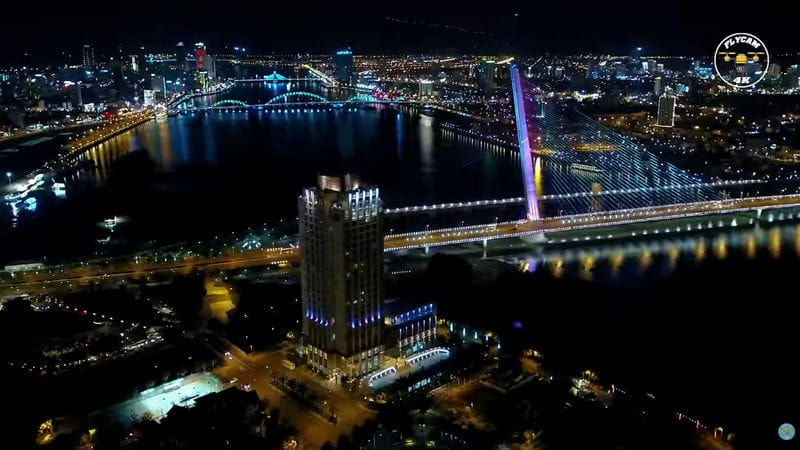
Da Nang Vietnam is also the eastern endpoint of the East–West Economic Corridor (EWEC), connecting Vietnam with Laos, Thailand, and Myanmar. This strategic position enables Da Nang City to function as a key logistics, trade, and transportation hub in Southeast Asia.
The Da Nang Port is the third-largest port in Vietnam, playing a vital role in both economic development and national security.
Development Potential of Da Nang Vietnam
Thanks to its strategic location, Da Nang Vietnam has been heavily invested in to become:
- An international lifestyle city
- A regional service hub
- A logistics and trade center for Indochina
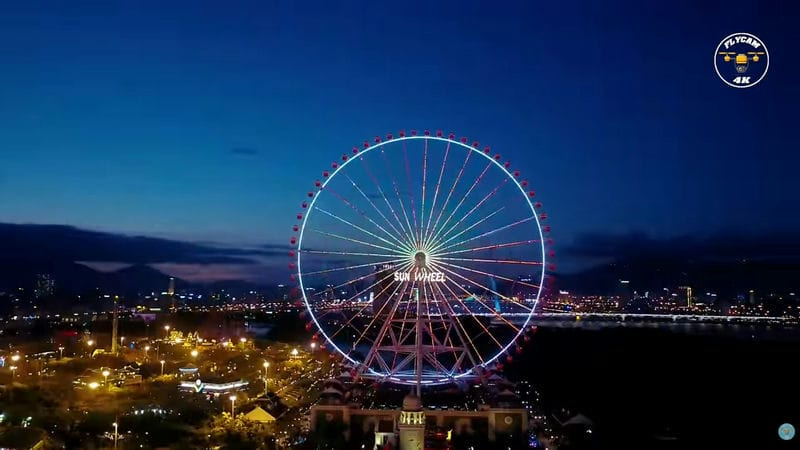
Da Nang City serves as a crucial urban node supporting the two major economic centers of Vietnam: Hanoi and Ho Chi Minh City. The city’s coastal position and EWEC connectivity allow it to integrate into global supply chains efficiently.
Da Nang International Airport offers direct flights to major Asian economic hubs such as:
- Bangkok
- Singapore
- Hong Kong
- Shenzhen
This connectivity further strengthens Da Nang Vietnam’s ambition to emerge as an international commercial and logistics center.
Population and Area of Da Nang City, Vietnam
Area of Da Nang Vietnam
Da Nang City covers a total area of 1,284.88 km², including:
- 6 urban districts: Hai Chau, Thanh Khe, Son Tra, Ngu Hanh Son, Lien Chieu, Cam Le
- 1 rural district: Hoa Vang
- 1 island district: Hoang Sa (Paracel Islands)
Population of Da Nang City
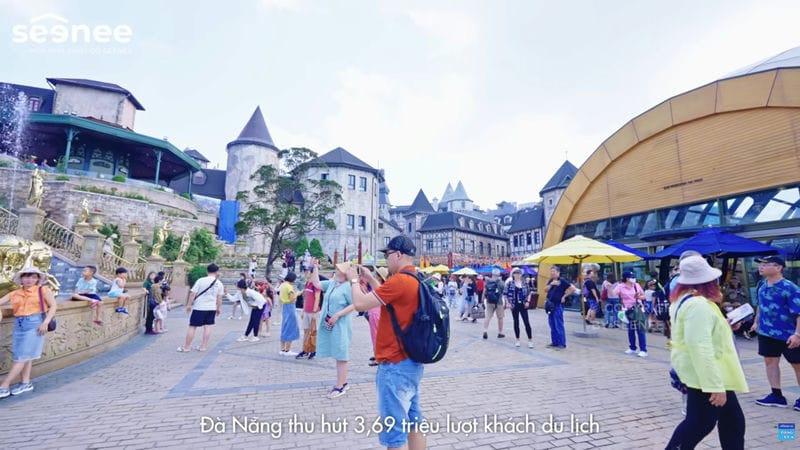
As of the latest statistics, Da Nang Vietnam has a population of approximately 1.13 million people, making it the largest city in Central Vietnam and the fourth-largest city nationwide.
The population includes more than 37 ethnic groups, with the Kinh people accounting for about 99.4% of residents.
Climate of Da Nang Vietnam
Overview of the Climate in Da Nang City
Da Nang Vietnam features a tropical monsoon climate, characterized by warm temperatures throughout the year and relatively mild seasonal variation compared to northern or southern Vietnam. Thanks to its coastal location and the moderating influence of the East Sea, Da Nang City enjoys a comfortable climate that supports year-round tourism and outdoor activities.
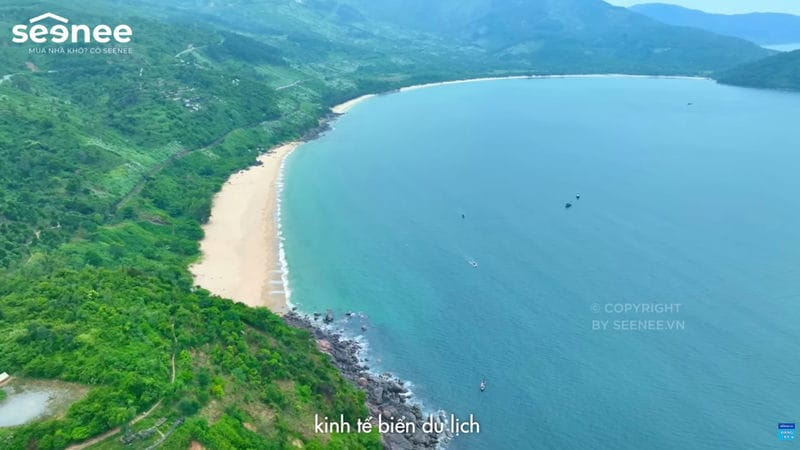
The average annual temperature in Da Nang Vietnam is approximately 25.6°C, with summer highs rarely becoming unbearably extreme and winter temperatures remaining pleasantly cool. Humidity levels are generally moderate, especially during the dry season, making the city an attractive destination for both short-term travelers and long-term residents.
One of the unique climatic features of Da Nang City is its geographical diversity. While coastal areas experience warm and breezy conditions, higher-altitude regions such as Ba Na Hills offer a completely different climate experience within the same city.
Two Main Seasons in Da Nang City
The climate of Da Nang Vietnam is typically divided into two distinct seasons, each offering different advantages for travelers.
Dry Season in Da Nang Vietnam (January – July)
The dry season in Da Nang City lasts from January to July and is widely regarded as the most favorable time of the year. During this period, rainfall is minimal, skies are clear, and sunshine hours are abundant. Average temperatures range from 22°C to 35°C, with the hottest months usually occurring between May and July.
This season is ideal for:
- Beach activities along My Khe, Non Nuoc, and Bac My An beaches
- Outdoor sightseeing and city exploration
- Water sports, island tours, and coastal experiences
Thanks to stable weather conditions, the dry season plays a crucial role in boosting Da Nang tourism, especially for international visitors seeking sun, sea, and relaxation.
Rainy Season in Da Nang Vietnam (August – February)
The rainy season in Da Nang City generally occurs from August to February. Rainfall tends to increase gradually, with the heaviest showers usually recorded between October and November. However, rain often comes in short bursts rather than continuous downpours, allowing travelers to plan activities with flexibility.
Temperatures during the rainy season remain comfortable, averaging 20°C to 28°C, with cooler evenings and refreshing sea breezes. This season also brings lush greenery and a quieter atmosphere to Da Nang Vietnam, appealing to visitors who prefer a more relaxed pace and fewer crowds.
Microclimate of Ba Na Hills in Da Nang Vietnam
A standout feature of Da Nang’s climate is Ba Na Hills, located at an altitude of nearly 1,500 meters above sea level. Unlike the coastal areas, Ba Na Hills enjoys a significantly cooler climate, with average temperatures ranging from 17°C to 20°C year-round.

This unique microclimate allows visitors to experience:
- Refreshing mountain air
- Cooler temperatures even during summer
- Misty landscapes and European-style architecture
Ba Na Hills has become a popular retreat for tourists seeking to escape the heat while remaining within Da Nang City, further enhancing the city’s reputation as a diverse and versatile travel destination.
Best Time to Visit Da Nang Vietnam
December – March: Cool and Comfortable Season
The period from December to March is considered one of the best times to visit Da Nang Vietnam. During these months, the weather is cool, pleasant, and relatively dry, creating ideal conditions for sightseeing, cultural tours, and outdoor exploration.
In addition to favorable weather, this period often features:
- Stable accommodation and service prices
- Comfortable conditions for city walking tours
- Ideal weather for visiting nearby heritage sites such as Hoi An and Hue
This season is especially popular among international tourists and travelers seeking a balanced experience of culture and leisure in Da Nang City.
April – September: Peak Beach Tourism Season
From April to September, Da Nang Vietnam enters its peak tourism season, driven primarily by excellent beach weather. Sunny skies, calm seas, and minimal rainfall make this the perfect time for coastal tourism and water-based activities.
This period is also known for major festivals and events, including:
- Da Nang International Fireworks Festival

- Summer beach festivals and cultural celebrations
While visitor numbers are higher and prices may increase, the vibrant atmosphere and dynamic city life make this season highly attractive for beach lovers and festival-goers.
September – December: Budget-Friendly and Relaxed Travel Period
The months from September to December represent a quieter travel period in Da Nang City. Although occasional rain is expected, this season offers several advantages, particularly for budget-conscious travelers and long-stay visitors.
Benefits of visiting during this time include:
- Lower hotel and resort prices
- Attractive travel promotions
- Fewer tourists at major attractions
For those who prefer a peaceful environment and flexible travel plans, this period provides an excellent opportunity to experience Da Nang Vietnam at a more relaxed pace.
Tourism Planning and Vision of Da Nang Vietnam (2030–2045)
Da Nang Vietnam’s tourism master plan aims to balance:
- Hotels and resorts
- Restaurants and entertainment
- Natural and cultural attractions
By 2030, approximately 2,388 hectares of land will be dedicated to tourism development, ensuring sustainable and diversified growth.
Natural Tourism in Da Nang Vietnam
River Tourism
Da Nang City’s river system plays a vital role in shaping its tourism identity. Major rivers include:
- Han River
- Cam Le River
- Cu De River
- Tuy Loan River
The Han River, flowing through the city center, has become a symbol of Da Nang Vietnam, especially with landmarks like the Dragon Bridge.
Eco-Tourism and Hill Tourism
Western Da Nang features mountains, forests, and diverse ecosystems. Key eco-tourism destinations include:
- Ba Na Hills
- Hoa Bac
- Hoa Phu
- Van Village Resort Area
Spiritual and Cultural Tourism in Da Nang City
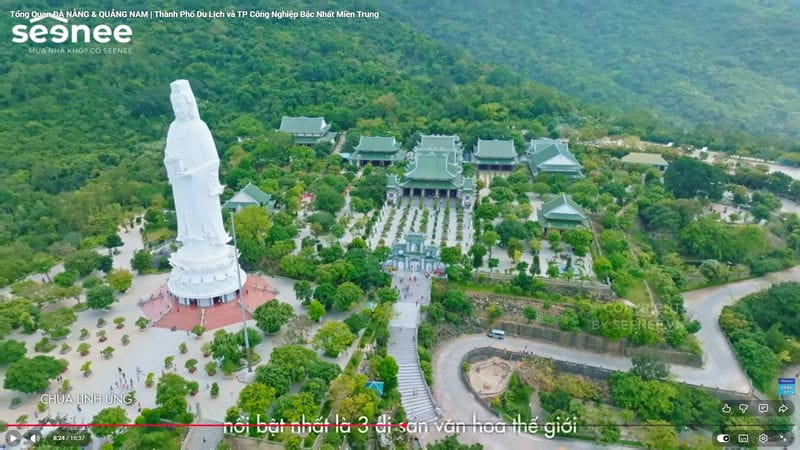
Son Tra Peninsula
Home to Linh Ung Pagoda and rich biodiversity, Son Tra Peninsula is planned as a national tourism area of international standards.
Ngu Hanh Son (Marble Mountains)
A spiritual and cultural landmark, Marble Mountains combine caves, pagodas, and traditional stone-carving villages, making them a must-visit in Da Nang Vietnam.
Urban Cultural Tourism in Da Nang Vietnam
Da Nang City offers vibrant urban experiences, including:
- Cham Sculpture Museum
- Da Nang Museum
- Traditional markets
- Performing arts and festivals
The city center is planned as a cultural core, integrating museums, libraries, and public squares.
Cruise Tourism and MICE in Da Nang Vietnam
Da Nang Vietnam is developing Tien Sa Port into a leading cruise tourism hub in Southeast Asia. Meanwhile, MICE tourism (Meetings, Incentives, Conferences, Exhibitions) is expanding rapidly, especially along the Han River and eastern coastal areas.
Sports, Medical, and Beach Tourism in Da Nang City
Sports & Events
Da Nang City hosts international sports events, marathons, and festivals at venues such as Asia Park and major stadiums.
Medical Tourism
With international-standard hospitals and clinics, Da Nang Vietnam is positioning itself as a regional medical tourism hub.
Beach Tourism
Da Nang Vietnam boasts world-class beaches such as:
- My Khe Beach
- Non Nuoc Beach
These beaches are consistently ranked among the best beaches in Asia, reinforcing Da Nang City’s reputation as a premier coastal destination.
Conclusion: Why Da Nang Vietnam Is FantastiCity
With its strategic location, modern infrastructure, clean environment, diverse tourism products, and high quality of life, Da Nang Vietnam truly deserves the title “FantastiCity.” Whether for travel, living, or investment, Da Nang City stands out as one of the most dynamic and promising destinations in Vietnam and Southeast Asia.