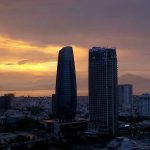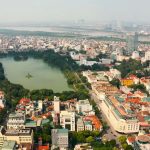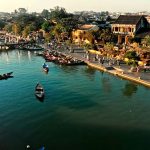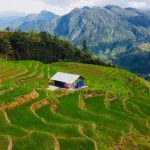
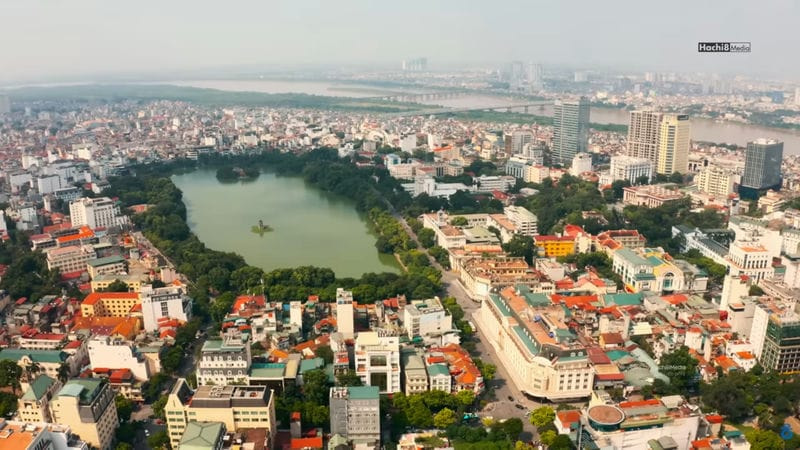
The capital city of Vietnam, Hanoi, is widely regarded as the “heart” of the nation. With more than 1,000 years of history, Hanoi is not only the political center of the country but also a gateway to understanding Vietnamese culture, traditions, and modern development. From the timeless Old Quarter to modern shopping malls and vibrant entertainment districts, the capital of Vietnam offers a unique blend of heritage and contemporary life.
Travelers visiting Hanoi will quickly notice the elegance, calmness, and refinement of Hanoians—reflected in the way they eat, move, communicate, and preserve traditions. Hanoi leaves a lasting impression on every visitor who sets foot in this remarkable capital city of Vietnam.
1. Where Is the Capital City of Vietnam Located?
Hanoi, the capital city of Vietnam, is situated in the northern part of the country, specifically in the northwestern region of the Red River Delta — one of Vietnam’s most fertile and historically significant areas. From a geographical perspective, Hanoi lies between 20°34’ and 21°18’ north latitude and 105°17’ to 106°02’ east longitude, placing it at a strategic crossroads between mountainous regions in the north and the coastal lowlands of northern Vietnam.
The location of Hanoi Vietnam gives it exceptional importance in terms of transportation, economics, politics, and national defense. The city is bordered by multiple provinces that strengthen its role as a regional hub. To the north, Hanoi borders Thai Nguyen and Vinh Phuc (now administratively part of Phu Tho). To the south, it connects with Ha Nam (now Ninh Binh) and Hoa Binh, while Bac Giang, Bac Ninh, and Hung Yen lie to the east. To the west, Hanoi borders Hoa Binh and Phu Tho, creating strong interprovincial links in all directions.
Covering a total area of approximately 3,358.6 square kilometers, the capital of Vietnam accounts for nearly 1% of the country’s total land area. Its location along the Red River has historically supported agriculture, trade, and settlement for over a thousand years. Today, this advantageous geographic position allows Hanoi to serve as a vital connector between northern provinces, major economic zones, and international transport corridors linking Vietnam with China and Southeast Asia.
2. Area and Population of the Capital City of Vietnam (2025 Update)
As of the most recent official data, the capital city of Vietnam spans an area of approximately 3,359.82 km², making Hanoi the largest centrally governed city in Vietnam by land area. This vast territory includes not only dense urban districts but also suburban towns, rural communes, agricultural land, lakes, and river systems, giving Hanoi a unique blend of modern city life and traditional countryside landscapes.
In terms of population, Hanoi Vietnam is one of the most populous cities in the country. By late 2022, the population was estimated at around 8.4 million residents, and this number has continued to increase steadily through 2024 and into 2025 due to urban expansion, economic development, and internal migration. Hanoi currently ranks second nationwide in population, just behind Ho Chi Minh City.
Population density in the capital of Vietnam varies significantly. Central districts such as Hoan Kiem, Dong Da, Hai Ba Trung, and Cau Giay have extremely high population densities, while outer districts and suburban areas remain more spacious and less crowded. This uneven distribution reflects Hanoi’s ongoing urbanization and large-scale infrastructure projects aimed at easing congestion and improving living standards.
Beyond sheer size and population, Hanoi stands out as the political, cultural, and historical heart of Vietnam. The city is home to centuries-old architecture, ancient temples, colonial-era buildings, and modern developments. Combined with its role as the seat of government and a major economic center, Hanoi attracts millions of domestic and international visitors every year, reinforcing its position as the most influential city in northern Vietnam and one of the most important capitals in Southeast Asia.
3. Exploring the 1,000-Year History of Hanoi
The capital city of Vietnam has a long and complex history closely intertwined with the nation’s development. Hanoi has served as the capital for most Vietnamese feudal dynasties and remains the political, cultural, and economic center of the country today.
The name “Hanoi” was officially adopted in 1831 during the reign of Emperor Minh Mang. Following a major administrative expansion in August 2008, Hanoi now includes 12 urban districts, 1 town, and 17 suburban districts.
Pre–Thang Long Period
In the 3rd century BCE, King An Duong Vuong (Thuc Phan) chose Co Loa, located in present-day Dong Anh District, as the capital. After nearly 1,000 years of Chinese domination, Co Loa once again became the capital of an independent Vietnam in 938.
Thang Long – Dong Do – Dong Kinh Period
In 1010, King Ly Thai To established Thang Long as the capital. During the Tran Dynasty, Thang Long and Thien Truong served as key political centers. In the late 14th century, the capital was moved to Thanh Hoa, and Thang Long was renamed Dong Do. Later, under Ming occupation, it was called Dong Quan before being renamed Dong Kinh under the Le Dynasty.
Nguyen Dynasty and French Colonial Period
In 1831, Hanoi became an administrative province. Under French colonial rule, Hanoi was chosen as the capital of French Indochina, marking a new era of urban planning and Western-style architecture.
Between Two Wars
Following the August Revolution in 1945, Hanoi was officially declared the capital city of the Democratic Republic of Vietnam on September 2, 1945.
Modern Hanoi
After decades of war and reconstruction, Hanoi emerged as a peaceful, rapidly developing capital city of Vietnam, maintaining its historical soul while embracing modernization.
4. Hanoi Administrative Map (2025 Update)
Today, the capital city of Vietnam is divided into 30 district-level administrative units, including 12 urban districts, 17 suburban districts, and 1 town (Son Tay).
In July 2025, under Resolution No. 1656/NQ-UBTVQH15, Hanoi’s administrative structure was reorganized into 126 wards and communes, reflecting urban expansion and population growth.
This administrative map provides visitors and residents with a comprehensive view of Hanoi’s geographical diversity and cultural richness.
5. Why Is Tourism in the Capital City of Vietnam So Attractive?
Tourism in Hanoi reflects the city’s unique blend of tradition and modernity. Visitors can explore ancient streets influenced by French architecture, historic landmarks, bustling markets, and modern shopping centers—all within one city.
Hanoi has preserved invaluable cultural and historical sites such as Ho Chi Minh Mausoleum, Thang Long Imperial Citadel, One Pillar Pagoda, St. Joseph’s Cathedral, and the Vietnam–Soviet Friendship Cultural Palace. These landmarks allow travelers to gain deep insights into Vietnam’s past and cultural identity.
5.1 Famous Attractions in Hanoi
The capital city of Vietnam is home to over 600 temples, pagodas, and historical structures, making it a true treasure trove of heritage. Highlights include:
- Ho Chi Minh Mausoleum
- Temple of Literature
- Hoan Kiem Lake
- Hanoi Old Quarter
- Dong Xuan Market
- Thang Long Imperial Citadel
These attractions perfectly illustrate the harmonious coexistence of history and modern life in Hanoi.
5.2 Entertainment and Modern Attractions in Hanoi
Beyond historical sites, the capital of Vietnam offers modern entertainment experiences. Visitors can enjoy water parks such as Ho Tay Water Park, VinWonders Wave Park, and VinWonders Water Park, or shop at major malls like Times City.
VinKE & Vinpearl Aquarium at Times City is a popular destination for families, combining education and entertainment through interactive career simulations, games, and one of the largest aquariums in Vietnam.
5.3 Hanoi Cuisine – The Essence of Vietnamese Food
Hanoi is considered the culinary capital of northern Vietnam. The city offers iconic dishes such as Hanoi pho, bun cha, banh cuon, cha ca La Vong, egg coffee, and various noodle dishes that reflect the refinement of northern Vietnamese cuisine.
Pho Hanoi, in particular, has been recognized by CNN Travel as one of the world’s most delicious dishes.
5.4 Hanoi Specialties as Souvenirs
Popular souvenirs from the capital city of Vietnam include green rice flakes (com), Tay Ho lotus tea, candied fruits (o mai), silk products, ceramics, and handicrafts. These items are often elegantly packaged, reflecting the sophistication of Hanoi culture.
6. Climate of the Capital City of Vietnam
The capital city of Vietnam, Hanoi, experiences a tropical monsoon climate that is strongly influenced by seasonal winds and its location in the Red River Delta. One of the most distinctive features of the climate of Hanoi Vietnam is its four clearly defined seasons, which is relatively rare among major cities in Southeast Asia. This seasonal diversity gives Hanoi a unique charm and makes it an attractive destination for visitors throughout the year.
Spring in Hanoi (February – April)
Spring is often considered one of the most pleasant seasons in the capital of Vietnam. During this period, temperatures are generally mild, ranging from 18°C to 25°C, with increasing humidity and light rainfall. The cold air of winter gradually fades, and the city begins to warm up, bringing fresh greenery and blooming flowers.
Spring in Hanoi Vietnam is also associated with cultural festivals, especially after the Lunar New Year (Tet). Streets, temples, and parks become lively, and the air carries a sense of renewal. Although occasional drizzle and mist may appear, especially in March, the weather remains comfortable for sightseeing, walking around the Old Quarter, and visiting historical landmarks.
Summer in Hanoi (May – August)
Summer is the hottest and most humid season in the capital city of Vietnam. Temperatures often range from 30°C to 38°C, and on peak days, the “feels-like” temperature can be even higher due to high humidity levels. This period also marks the peak of the monsoon season, bringing frequent heavy rainfall, thunderstorms, and sudden downpours.
Despite the heat, summer in Hanoi Vietnam has its own appeal. The rain helps cool the air and nourishes the lush trees lining the city’s streets. Lakes such as Hoan Kiem Lake and West Lake provide refreshing scenery, while night markets and evening street food culture thrive after sunset when temperatures drop slightly.
However, visitors should be prepared for weather disruptions, as heavy rain can occasionally cause localized flooding and traffic congestion. Lightweight clothing, umbrellas, and flexible travel plans are recommended during this season.
Autumn in Hanoi (September – October)
Autumn is widely regarded as the most beautiful and romantic season in the capital of Vietnam. During this time, Hanoi enjoys cooler temperatures, typically between 22°C and 28°C, lower humidity, and significantly reduced rainfall. The skies are clearer, and the city is often bathed in soft sunlight.
Autumn in Hanoi Vietnam is famous for its poetic atmosphere — golden leaves, gentle breezes, and the subtle fragrance of milk flowers (hoa sữa). This season is ideal for walking tours, photography, and outdoor activities. Many travelers consider autumn the best time to explore Hanoi’s cultural and historical sites, from the Old Quarter to the Temple of Literature.
Thanks to its pleasant weather, autumn is also a peak season for tourism in the capital city of Vietnam, attracting both domestic and international visitors.
Winter in Hanoi (November – January)
Winter in Hanoi Vietnam is noticeably cooler compared to southern regions of the country. Temperatures usually range from 10°C to 18°C, but during cold spells, they can drop below 5°C, especially in January. The winter season is generally dry, with little rainfall, although mist and overcast skies are common.
This cool weather gives the capital of Vietnam a completely different atmosphere. Locals wear coats and scarves, hot street foods become especially popular, and the city feels calmer and more reflective. While winter may not be ideal for outdoor swimming or long walks, it is perfect for enjoying Hanoi’s cafes, museums, and traditional cuisine.
Overall, the four-season climate of the capital city of Vietnam makes Hanoi a year-round destination, each season offering its own unique experiences and visual beauty.
7. Transportation in Hanoi
As the political, economic, and cultural center of the country, the capital city of Vietnam plays a crucial role as a national and regional transportation hub. Transportation in Hanoi Vietnam is diverse, continuously developing, and designed to connect the city internally while linking it with other regions of Vietnam and the world.
Road Transportation
Road transport is the most widely used form of transportation in the capital of Vietnam. Hanoi has an extensive road network consisting of national highways, ring roads, urban streets, and expressways that connect the city with nearby provinces such as Bac Ninh, Hung Yen, Hai Duong, and Ninh Binh.
Motorbikes remain the most common mode of daily transportation for residents of Hanoi Vietnam, offering flexibility in navigating narrow streets and busy traffic. In recent years, the city has also seen rapid growth in private car ownership, which has increased traffic congestion but also driven infrastructure upgrades.
To address urban mobility challenges, Hanoi has invested heavily in ring roads, elevated highways, and smart traffic systems aimed at improving traffic flow and reducing congestion.
Public Transportation
Public transportation in the capital city of Vietnam has improved significantly in recent years. The city operates an extensive bus network covering urban districts, suburban areas, and neighboring provinces. Modern buses with air conditioning and electronic ticketing systems are increasingly common.
One of the most important developments in transportation in Hanoi Vietnam is the urban railway (metro) system. The Cat Linh – Ha Dong metro line, the first of its kind in the city, has already begun operation, providing a faster and more environmentally friendly option for daily commuting. Additional metro lines are under construction and planned, aiming to form a comprehensive urban rail network in the future.
Railway Transportation
Hanoi is a major railway hub in northern Vietnam. Hanoi Railway Station connects the capital of Vietnam with many important cities, including Ho Chi Minh City, Hai Phong, Lao Cai (gateway to Sapa), and international routes to China. Rail transport is popular for long-distance travel due to its affordability and safety.
Air Transportation
Noi Bai International Airport, located about 30 km north of the city center, is the largest airport in northern Vietnam and a key international gateway. The airport serves millions of passengers each year, connecting Hanoi Vietnam with major destinations in Asia, Europe, Australia, and beyond.
With modern terminals, expanding runways, and improved services, Noi Bai International Airport strengthens the global connectivity of the capital city of Vietnam and supports tourism, trade, and international relations.
Waterway Transportation
Thanks to its location along the Red River and other waterways, the capital of Vietnam also has a history of river transport. While no longer dominant for passenger travel, river transportation still plays a role in cargo transport and tourism, particularly with scenic river cruises.
Conclusion
With its deep historical roots, cultural richness, modern infrastructure, and dynamic lifestyle, Hanoi truly embodies the spirit of the capital city of Vietnam. Whether you are drawn by history, cuisine, architecture, or modern entertainment, Hanoi offers a complete and unforgettable experience—where tradition and modernity meet in perfect harmony.